If you’ve spent any time scrolling through jeweller forums, reading gem articles, or even glancing at the news lately, you’ve probably noticed a theme: everything in the jewellery world is getting more expensive.
Gold is climbing.
Materials are climbing.

Global uncertainty is shaking up the gem trade — something that really hit me while flicking through Gem Guide this week.
And buyers everywhere are wondering what this means for the pieces they love.
All of this has had me thinking — not just as a small miner, but as someone who works closely with jewellers, cutters, suppliers, and everyday Aussies who want something meaningful, beautiful, and built to last.
So, let’s talk about it. Let’s connect the dots between global gem trends, rising metal prices, and the true value of Australian sapphires.
Because even though most of our customers never set foot in the Tucson gem show, the ripple effects of global trends absolutely reach Australia — and they shape how we think about jewellery, investment, and the stories we choose to wear.
💰 1. Gold Prices Are Rising — And It’s Not Just “Inflation”
According to long-term data from the World Gold Council, gold has been on a steady upward climb for more than a decade and has certainly hit fever pitch in the past 2 years. I mean, have you seen the queues of people lined up to buy gold in the cities lately? Talk about a modern-day gold rush! All this driven by:
- global uncertainty
- inflation
- investment demand
- currency fluctuations
The Reserve Bank of Australia also notes that commodity prices — especially precious metals — tend to rise during periods of economic instability.
In simple terms:
It’s becoming more expensive for jewellers to make jewellery. Not because they’re charging more… but because the raw materials themselves are worth more
A ring that cost $1,600 to make five years ago might cost $4,500–$5,000 today — before a jeweller even adds labour or artistry. And that’s before we even talk about gemstones.
This is why education matters. Jewellers aren’t “charging too much” — they’re trying to survive in a market where their costs have skyrocketed.
💎 2. Global Gem Trends Are Shifting Toward Ethics, Stability & Provenance
The recent Tucson 2026 predictions highlighted something important. Exhibitors are worried about tariffs, paperwork, and uncertainty, with Gem Guide noting that many are “concerned about upfront tariff costs and unclear refund processes.” Some dealers are even relying on Carnets, which means they “cannot deliver goods at the show.”
What does this tell us?
The global gem market is getting more complicated. Buyers are becoming more cautious. And people everywhere are craving clarity, traceability, and authenticity.

This is exactly where Australia shines — not just in sapphires, but in the entire jewellery ecosystem.
We are genuinely lucky here. We have:
-
genuine ethical mining practices
-
the gold
-
the gemstones
-
the cutters
-
the jewellers
-
the small miners
-
the stability
-
the transparency
- the lack of tariffs and border chaos
No traffic.
No drama.
No “your parcel is stuck in customs for 6 weeks.”
No “trust me bro” paperwork.
We have everything we need right here — and that’s rare.
💎 3. The Reality: It’s Hard for Miners Too — And This Is Why Education Matters
There’s something important we need to talk about — not to point fingers, but to protect the integrity of our industry.
The rise of social media brands and the internet have helped create a false retail market that has crept into the gem world. A market where stones are sold at “wholesale + 10–20%” and presented as “fair pricing,” when in reality, that kind of markup doesn’t even cover the cost of producing a genuine, traceable Australian sapphire.
This isn’t sustainable for anyone:
-
not for miners
-
not for cutters
-
not for jewellers
-
not for valuers
- not for the next generation entering the industry
And it certainly doesn’t help customers understand the true value of what they’re buying.
Here’s the truth most people never see:

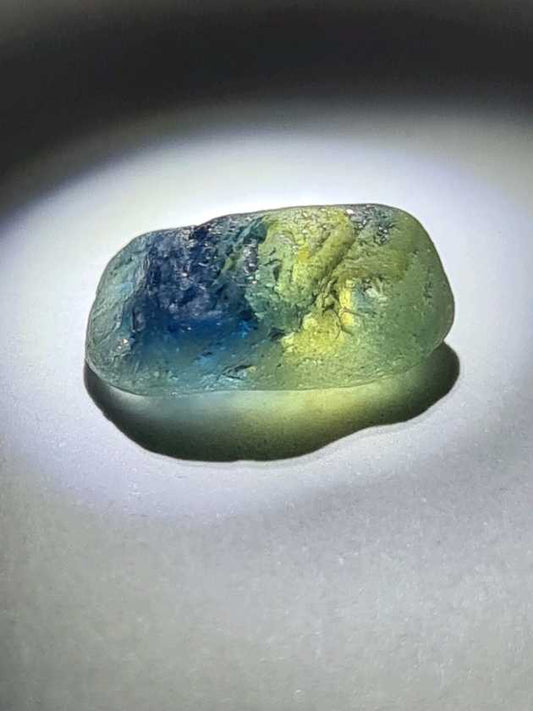
It can take 40+ hours of digging, washing, sorting, and hoping for luck… just to find one facetable sapphire when hand mining.
Then comes:
-
lease fees
-
cutting costs
-
photography
-
listing
-
admin
-
packaging
-
postage
-
machinery repairs
-
fuel
-
travel
- marketing
- insurance
A single 2ct cut stone may cost around $1,600 to produce — and that’s before paying ourselves a wage.
When wholesalers only markup 10–20%, it creates a false expectation that everyone else down the line should do the same. And that hurts the entire industry.
Jewellers can’t cover their rising gold costs.
Miners can’t cover their production costs.
Cutters can’t charge for their skill.
And valuers? How can they confidently assess and justify their results when the market is flooded with misleading pricing and unrealistic expectations?
This is why education matters for everyone — miners, jewellers, valuers, collectors, and the general public. Hence why we prioritised the important completion of Steve’s recent studies through the most reputable source in the country.
Understanding the global market helps us understand the true worth of what we’re selling, creating, and buying.
🎨 4. Unique Natural Colours Are More Valuable Than Ever
Global buyers are shifting away from mass-produced, cookie-cutter gems — and diamonds in general — which puts our Aussie sapphires in the absolute box seat within the whole industry.
They want:
-
individuality
-
natural colours
-
stones with personality
- pieces that don’t look like everyone else’s
Montana sapphires get a big mention in my latest reads — and they’re beautiful.
But Australia?
We’re the home of:
-
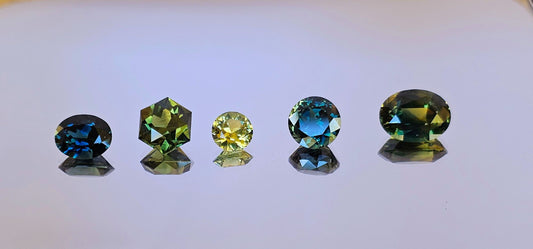
parti sapphires
-
teals
-
greens
-
yellows
-
deep blues
-
bi‑colours
- wild, painterly colour mixes you simply can’t find anywhere else
When gold is expensive, the gemstone becomes the star of the show. And nothing steals the spotlight like a Queensland parti sapphire — yes, I’m biased 😉

🛠️ 5. Handmade Jewellery Is Becoming a Luxury — But a Worthwhile One
With gold rising and global supply chains tightening, handmade jewellery is becoming more expensive to produce. Produce — not profit.
When you go to your jeweller with screenshots of your dream ring, they’re not just “making a piece.” They’re:
-
meeting with you
-
sketching
-
refining your ideas
-
sourcing stones
-
emailing suppliers
-
creating CAD drawings
-
adjusting designs
-
buying gold (at today’s prices!)
-
alloying
-
casting
-
polishing
-
setting
-
finishing
- covering overheads
I’m not a jeweller so I’ve probably not even covered the basics. And they still haven’t added a profit margin.

Here’s the truth:
A well-made piece of jewellery is one of the few luxury items that actually holds value — and usually increases in value over time.
Unlike:
- fast fashion
- electronics
- mass-produced accessories
…a handcrafted piece with a natural sapphire and solid gold is:
-
durable
-
repairable
-
heirloom-worthy
- and often increases in value over time
When you choose a sapphire with provenance — and when your jeweller pours their skill into crafting your dream piece — you’re investing in a story, a legacy, a piece of Australia.
🌟 6. This Strengthens the Whole Industry
By educating ourselves — and each other — we create a market where:
-
miners are paid fairly
-
jewellers can cover their costs
-
cutters can charge for their skill
-
valuers can assess confidently
-
customers understand what they’re investing in
- and Australian sapphires hold the value they deserve
This is how we strengthen our industry — together.

Thank you for caring about where your gemstones come from and the hands behind them. With gratitude
Liz
💬 Ready to Choose a Sapphire With Meaning, Value & Provenance?
If you’re looking for a gemstone that’s:
-
ethically mined
-
fully traceable
-
uniquely Australian
- and found by a real family on real Queensland soil…
You’re in the right place.
Explore our sapphires or reach out if you’d like help choosing the perfect stone for your next heirloom piece.
From our family to yours — thank you for supporting small miners and keeping the heart of the Gemfields alive.